How Hotels Can Increase Direct Bookings When Travelers Research on OTAs
A guest finds your property on Booking.com, reads a few reviews, compares room options, and then searches for your hotel’s website.
What happens next can determine whether the hotel earns a direct booking or pays an intermediary commission.
Hotel marketing directors have spent years trying to grow direct reservations. The challenge has become more complicated as travelers discover properties through online travel agencies (OTAs), AI tools, social content, and comparison platforms before reaching a hotel’s own booking engine.
The opportunity lies in understanding what travelers need at each stage and making the direct booking experience more compelling.
OTA Discovery Can Lead to Direct Reservations
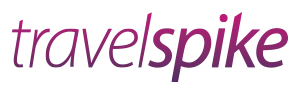
SiteMinder’s Changing Traveller Report 2026 surveyed 12,000 travelers across 14 countries and found that 18% of guests who began researching on an OTA ultimately booked directly with a hotel, an increase of 3.3 percentage points from the prior year.
That behavior gives hotel marketers a valuable insight.
Travelers may discover a hotel through an intermediary and still want to purchase directly. They may be looking for clearer policies, greater flexibility, better communication, or more confidence in the reservation.
The hotel website needs to make those benefits apparent. Someone who arrives after comparing several properties should quickly understand why this stay fits their trip and what they gain from booking directly.
Score the Behaviors That Suggest Booking Intent
Hotel websites attract people at different stages of planning.
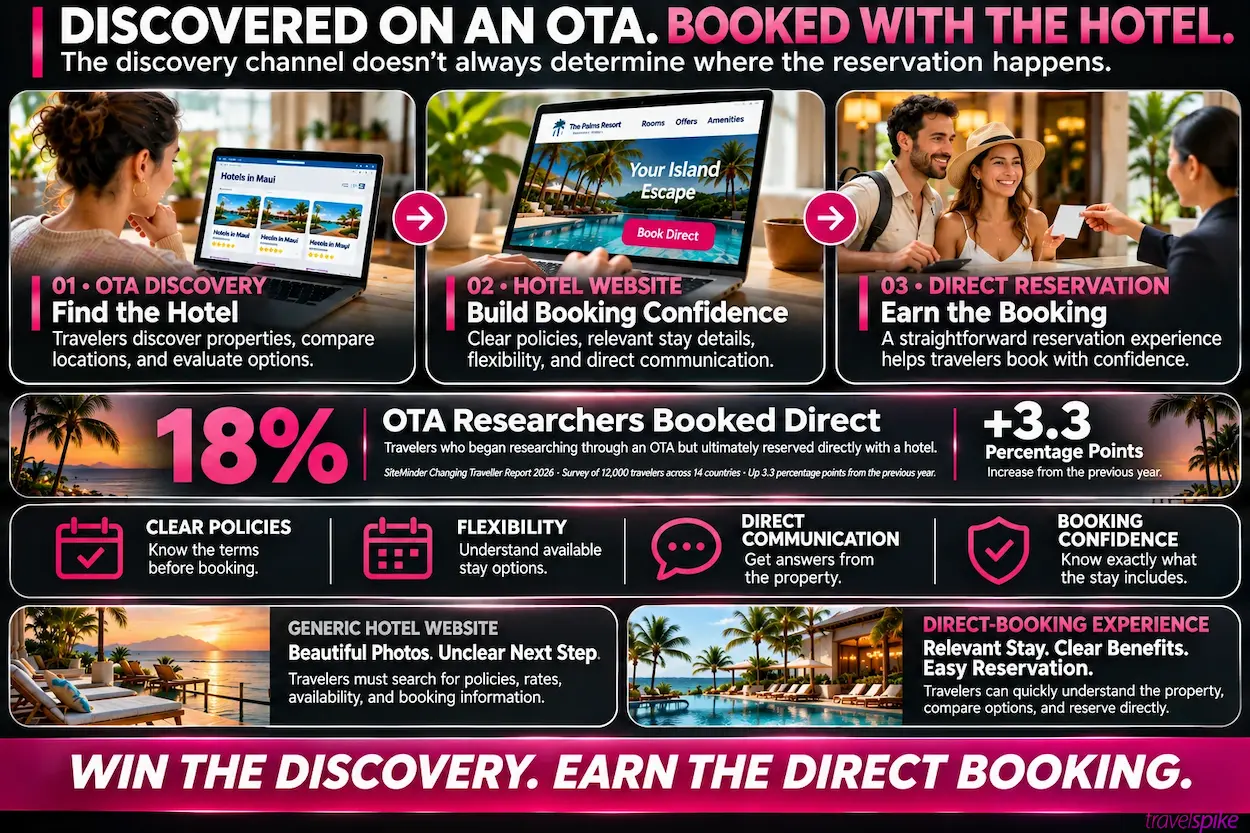
Some visitors browse photo galleries. Others explore restaurants, amenities, wedding venues, or local attractions. A smaller group checks availability, compares room types, or begins a reservation.
Each action provides a different level of information.
A marketing team can assign greater weight to availability searches, room selections, repeat visits, and booking starts. Visitors engaging with neighborhood guides or seasonal experiences may need more planning support before receiving a room offer. This approach can also help teams understand which feeder markets produce stronger booking behavior.
Travelogic™ can support pre-optimization by helping marketers interpret traveler signals and prioritize more qualified audience opportunities before allocating additional media.
The analysis should connect to revenue management. A valuable audience for a midweek occupancy gap may differ from an audience worth pursuing for a premium weekend package.
Give Travelers a Reason to Book Direct
A direct booking strategy needs a convincing value proposition.
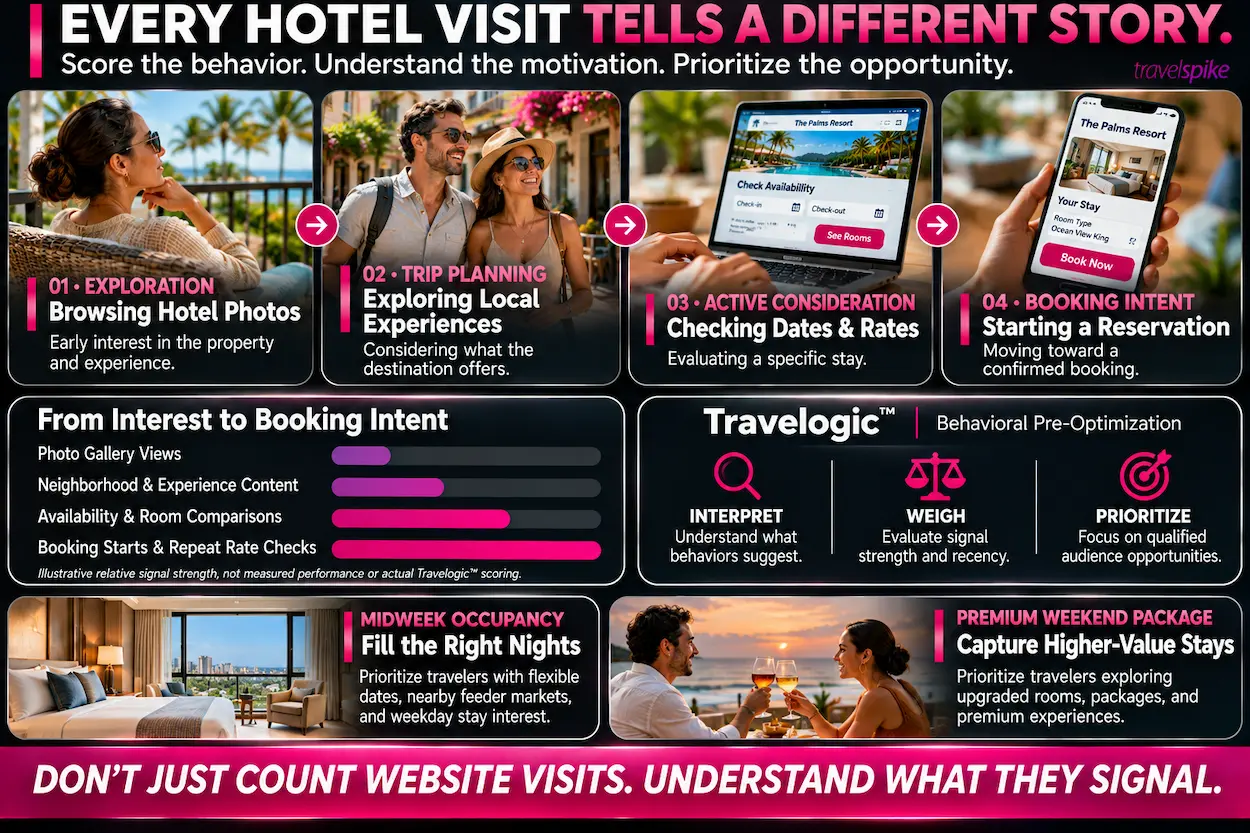
That could include flexible cancellation, room selection, loyalty benefits, personalized service, early access to experiences, or packages that combine the stay with something memorable nearby.
Hotels should review what they can offer within existing rate-parity and distribution agreements. The advantage does not always have to be a lower nightly price.
For example, a resort may offer guests who book directly a simpler way to reserve spa appointments or activities. A boutique hotel may highlight neighborhood expertise and personalized arrival support. A family property might offer a package that reduces the work of planning activities.
The offer should fit what the traveler values about the stay.
Build Different Paths for Different Travel Motivations
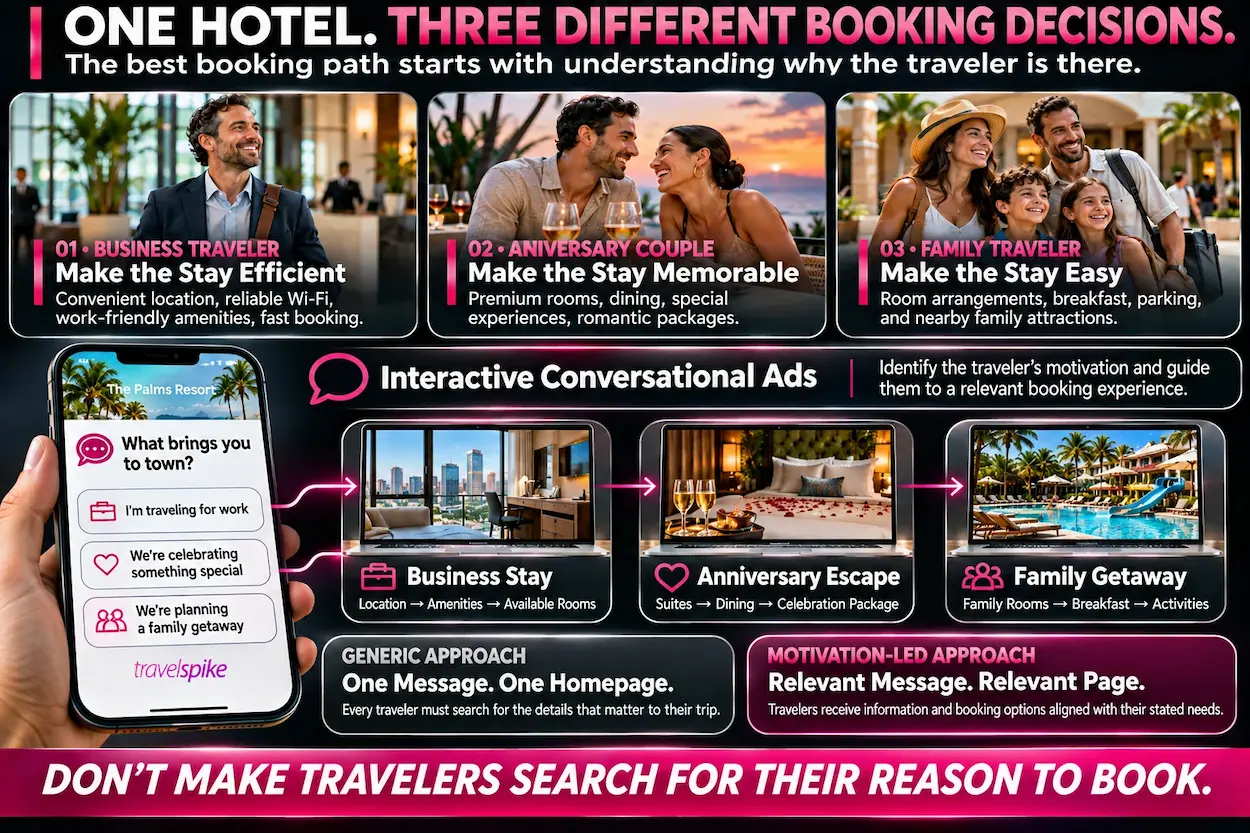
A business traveler, a couple planning an anniversary, and a family comparing school-break options may all consider the same hotel.
They should be able to find the information that matters to them without navigating through generic pages.
A business traveler may prioritize location, reliable amenities, and an efficient booking process. A couple may want room categories, dining, and experiences. A family may need sleeping arrangements, parking, breakfast, and nearby attractions.
Advertising creative can introduce each benefit, and the landing page can carry that message directly into the booking experience.
Interactive Conversational Ads can help identify the traveler’s motivation through their responses and guide them toward a relevant room offer, itinerary, package, or booking resource.
Use Performance CTV to Influence the Booking Decision Earlier
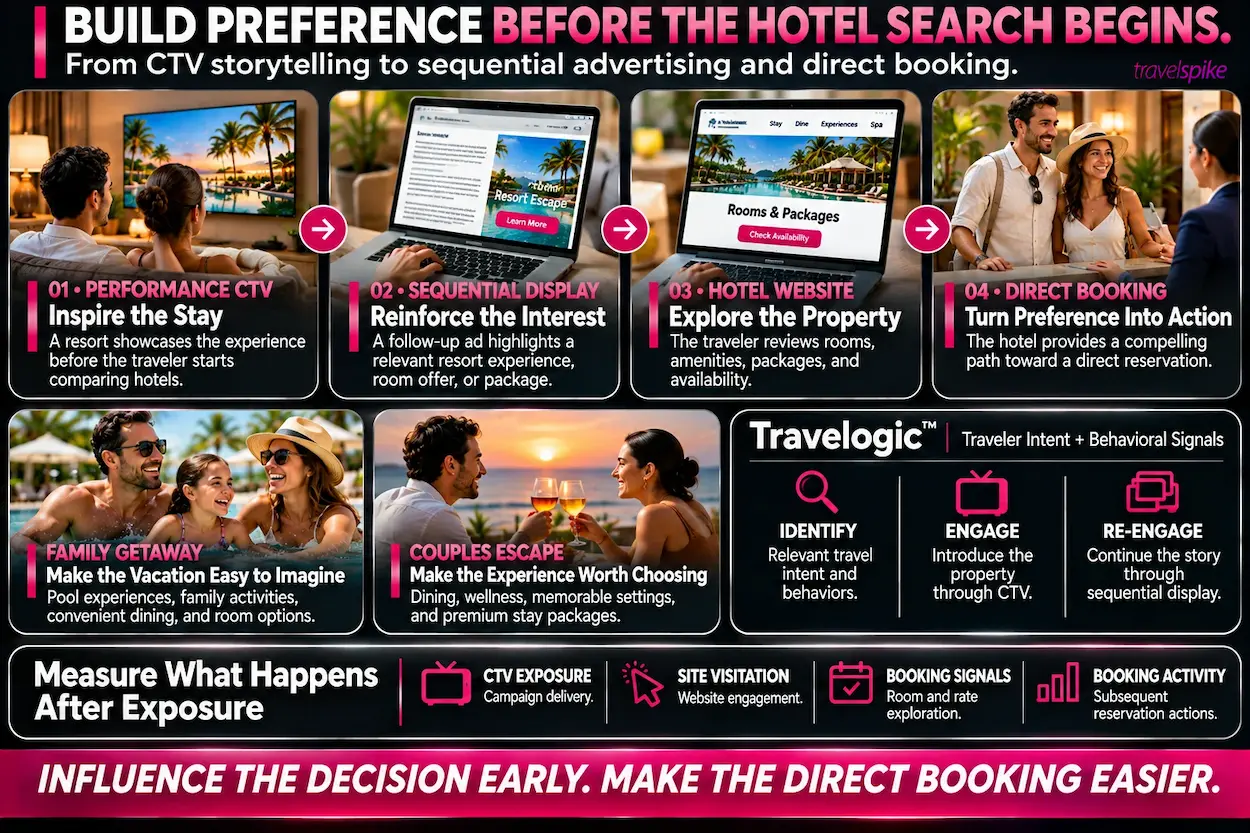
Hotels have an opportunity to influence travelers before they begin comparing properties on OTAs or searching for a specific hotel.
Connected TV allows hotels and resorts to showcase the experiences that make their properties worth choosing. A family might respond to a resort’s activities and amenities, while a couple planning a getaway may be drawn to dining, wellness, or a memorable setting.
Travelspike’s Performance CTV for Travel Brands brings that storytelling into a measurable performance strategy. Powered by Travelogic™, campaigns use traveler intent and behavioral signals to reach relevant audiences, with sequential display advertising helping re-engage viewers after their initial CTV exposure.
That follow-up can guide travelers toward room offers, packages, property experiences, or direct booking pages.
Travelspike also connects CTV campaigns with analytics and site visitation measurement, giving hotel marketers greater visibility into how television exposure contributes to website engagement and subsequent booking activity.
For hotels trying to increase direct reservations, this creates an opportunity to build preference earlier and give travelers a compelling reason to visit the property’s website when they’re ready to compare and book.
Evaluate Direct Booking Revenue, Not Only Reservation Count
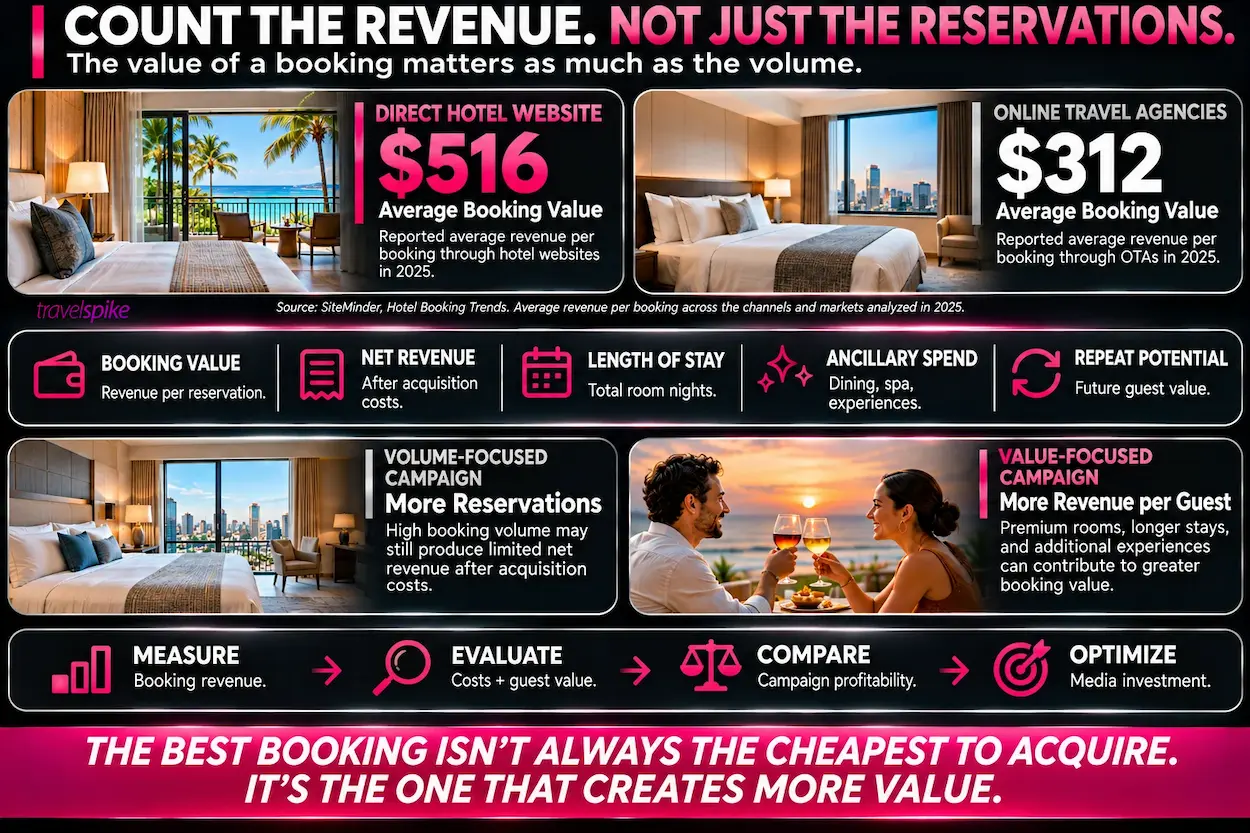
SiteMinder’s Hotel Booking Trends reported that direct hotel websites generated an average of $516 per booking in 2025, compared with $312 for bookings through OTAs across the channels and markets it analyzed.
These figures reflect different booking mixes and should not be interpreted as proof that changing the booking channel alone increases guest spending. They do reinforce the importance of examining revenue quality.
Hotel marketers should evaluate booking value, net revenue after acquisition costs, length of stay, ancillary spending, and repeat guest potential.
A campaign generating slightly fewer reservations may be more profitable if it brings guests who book premium rooms, stay longer, or purchase additional experiences.
Make the Direct Channel Worth Returning To
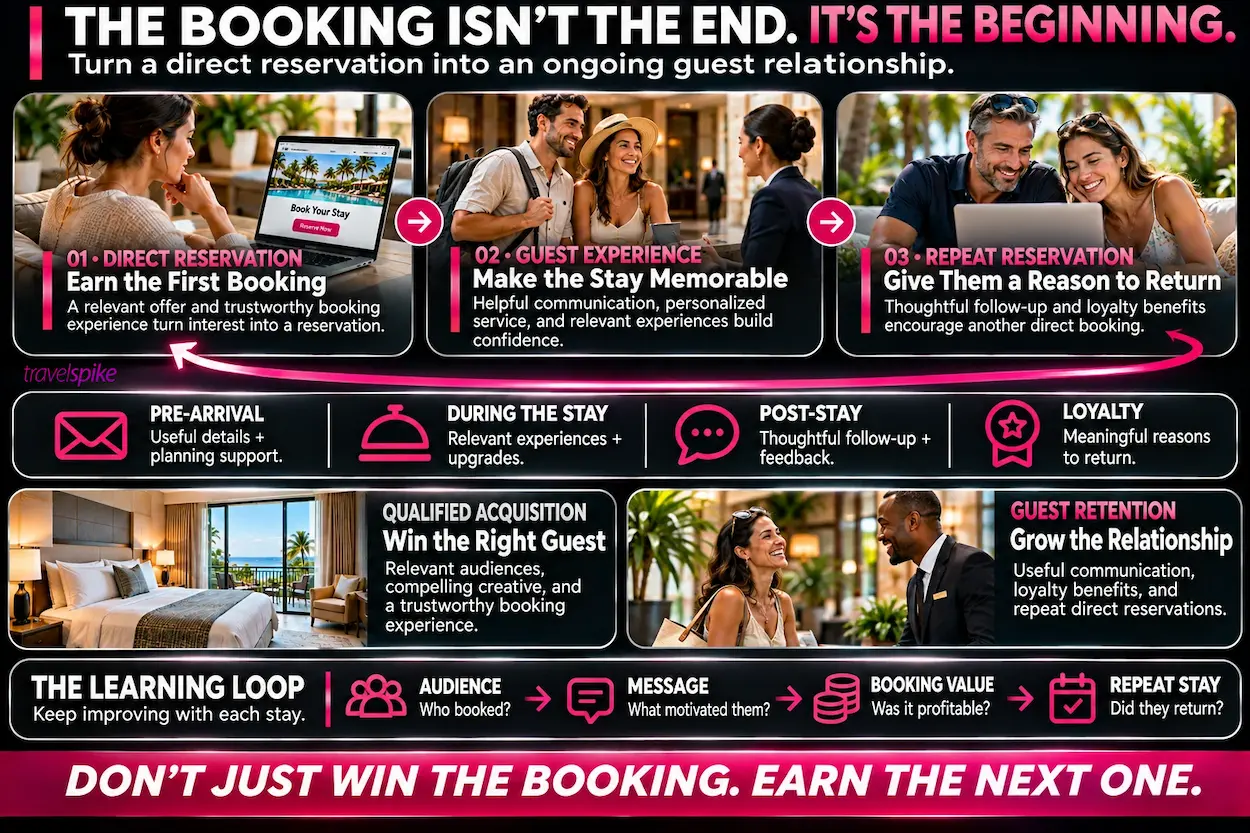
Direct booking growth improves when the relationship continues after checkout.
Useful pre-arrival emails, relevant on-property offers, post-stay communication, and thoughtful loyalty benefits can encourage a second direct reservation.
The marketing team should also keep learning which messages, markets, and landing pages produce profitable bookings.
For hotels, the strongest direct booking strategy combines qualified acquisition with a booking experience travelers trust. That creates more opportunities to own the guest relationship and improve the economics of future stays.
The Takeaway
Increasing direct bookings starts with giving travelers a compelling reason to choose your property and making that decision easy. By scoring traveler intent, building preference earlier through performance advertising, and creating a seamless path to booking, hotels can reduce reliance on third-party platforms while building stronger guest relationships and improving long-term revenue.