
Set-Jetting & Short-Form Series: How Travel Brands Are Using Microdramas to Drive Destination Demand
What Are Microdramas (Microseries) and Why Are Brands Betting on Them?
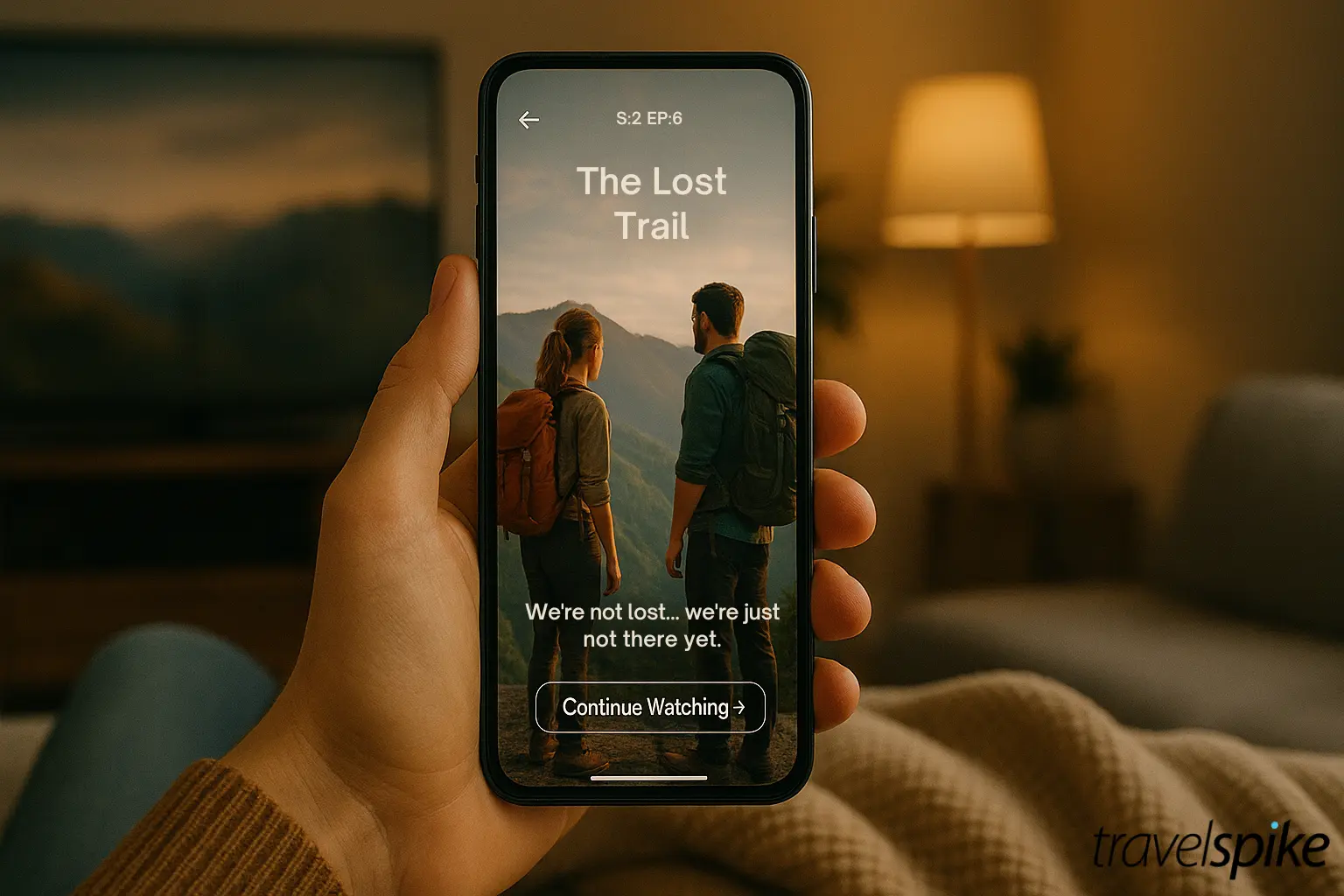
Microdramas – also known as microseries or mini dramas – are bite-sized, narrative video series that typically run just 2–3 minutes per episode, often formatted vertically for mobile viewing. Unlike random short video clips, these microseries deliver fully-formed story arcs with characters, conflict, and cliffhangers that hook viewers into binge-watching episode after episode. In other words, each installment feels like a miniature TV episode, trading quick dopamine-hit content for actual narrative tension that keeps audiences coming back.
This emerging format has exploded in popularity alongside the rise of short-form video. Globally, microdramas are on track to generate about $11 billion in revenue in 2025. In China, the trend is so mainstream that over 52% of internet users were watching mini-drama content by mid-2024. What’s drawing so much investment? Massive reach and engagement. Microseries platforms and apps have tens of millions of downloads, and audiences are ravenous for content they can consume in quick bursts throughout the day.
For brands, this represents a new goldmine. Short-form dramas are structurally optimized for social sharing – their fast-paced plots and emotional twists make them highly shareable across networks like TikTok, Instagram, and Snapchat.
Brands are investing because the format delivers engaged eyeballs at relatively low production cost. Some marketers are even skipping traditional ads and creating their own microdramas with the brand integrated into the plot from the start. KFC in China launched a comedic micro-drama about an ancient empress time-traveling to modern day and discovering KFC as her favorite food – cleverly weaving in promotions for KFC deals. A Chinese skincare brand, Kans, produced a microseries featuring its products throughout the storyline, garnering over 5 billion views and a notable lift in sales. These early cases show how mini narratives can drive real business outcomes. The combination of high viewer engagement, shareability, and integrated product placement is a potent formula for marketers.
Cult Followings in Minutes: Building Loyalty Through Episodic Content
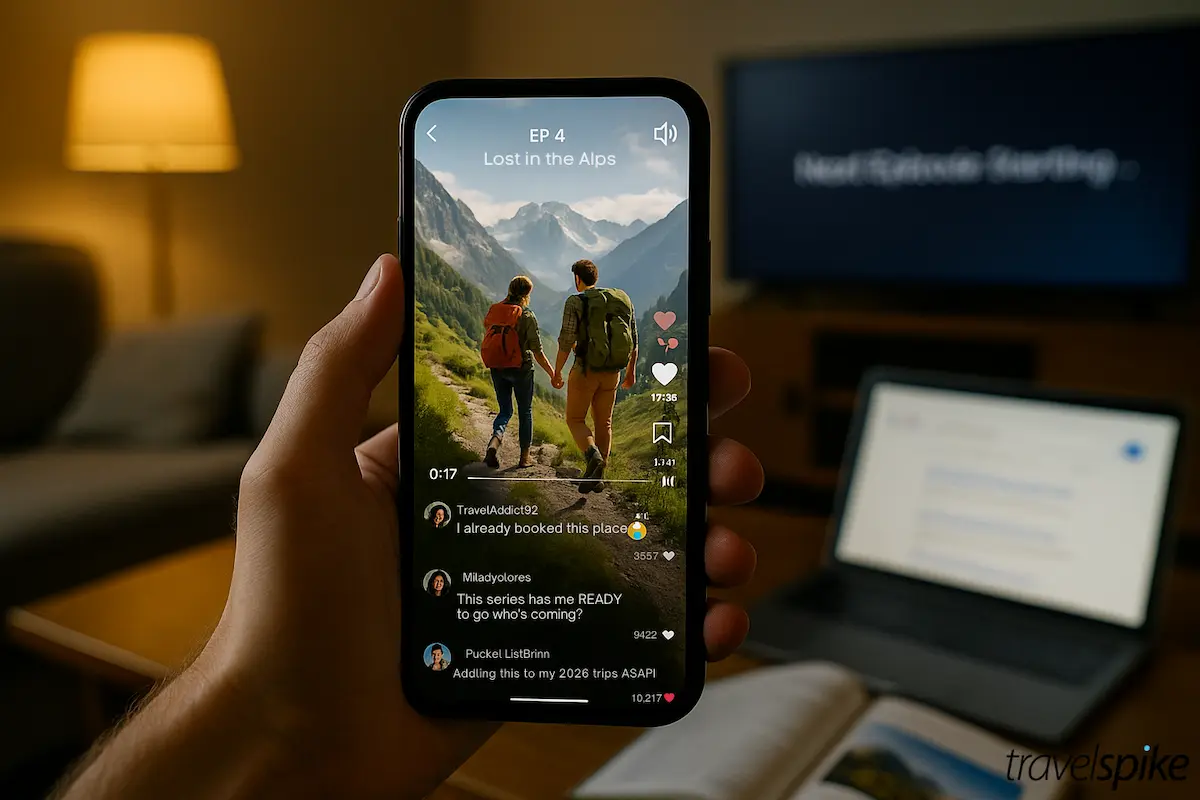
Perhaps the most powerful aspect of microdramas is how they foster loyal, almost cult-like followings despite their short runtime. Each episode’s cliffhanger leaves viewers eagerly awaiting the next, creating a habit-forming consumption pattern. Bingeing several 3-minute episodes can easily turn into a half-hour of focused attention on a storyline – a huge win in today’s attention economy. Notably, audiences often spend an average of 5–6 minutes per session on microdrama apps, which is impressive given the brevity of the content. This means viewers aren’t just scrolling past; they’re sticking around to immerse in the story.
The emotional investment is real. By delivering outsized drama and relatable characters in bite-size pieces, microseries command high levels of attention from their mostly young viewers. Many hit microseries have fan communities that discuss plot theories, share memes, and count down to new episode drops – behaviors once reserved for traditional TV fandoms, now happening around vertical phone content. The loyalty these narratives inspire can be immense. Industry experts note that only well-produced microdramas will succeed in building a loyal audience, but when they do, it complements rather than competes with long-form media, adding a new layer to fans’ content pallet. In short, a great microseries can cultivate a devoted fanbase that tunes in daily or weekly, much like a cult TV show, but on a platform like TikTok or a dedicated app.
For travel brands, tapping into this loyalty is the dream scenario for sustained engagement. If a Destination Marketing Organization (DMO), airline, or hotel brand becomes associated with a beloved microseries – either by producing it or sponsoring it – they inherit some of that passionate following. Instead of a one-off ad impression, the brand gets recurring touchpoints with viewers who are emotionally invested in the content. This opens the door to long-term relationship building with potential travelers through storytelling. In an era when younger audiences are increasingly ad-resistant, providing entertaining content is how a brand can “win hearts” over time. A microseries essentially gives travel marketers a channel to engage an audience regularly with fresh narratives, keeping the brand in their consideration set in a far more organic way than traditional ads.
One reason narrative content is so exciting for tourism marketers is the well-documented set-jetting effect – when viewers turn into travelers by visiting the real-life locations from movies or shows they love. This phenomenon has surged in recent years: the trend of visiting film/TV sites has boosted tourism to destinations from Thailand and Hawaii to Italy and Croatia, as fans seek out the landscapes they saw on screen, like The White Lotus. In industry terms, on-screen storytelling is directly translating into travel demand.
Just look at the impact of Korean dramas (K-dramas) on global travel. After the hit K-drama Goblin featured scenes set in Québec City, Canada, one luxury hotel there saw a 500% increase in Korean guests and even created a special “Goblin Package” for visiting fans. Meanwhile, Switzerland experienced a wave of Asian tourists coming specifically to see filming locations from Crash Landing on You – a tour company crafted a new itinerary around the show’s iconic scenes, and it quickly became one of their most popular offerings. These examples underline a powerful truth: viewers don’t just passively watch; they actively want to step into the stories and places that moved them.
Now, imagine harnessing that set-jetting energy with microseries. Traditionally, big-budget films or Netflix shows might drive tourism to their locations. But a well-executed microdrama can do the same on a more targeted scale. By featuring real destinations as the backdrop – a city, an attraction, even a particular hotel or airline route – a microseries plants seeds of inspiration in viewers’ minds. The narrative context gives the destination emotional appeal: viewers aren’t just seeing a pretty beach, they’re seeing a story unfold in that setting, making it more personal and enticing. Storytelling is a high-emotion, narrative-driven way to seed destination desire. It turns locations into characters, and trips into quests that fans feel connected to.
We’re already seeing travel marketers test this approach. Tourism boards especially are blending fiction with marketing to spark wanderlust. The idea is to move beyond the generic “visit our beautiful place” ad. Instead, let the drama do the selling – viewers fall in love with the place as they follow the plot. The result can be a deep, almost subconscious form of destination marketing: when the show’s hero finally finds love on a scenic mountain or in a vibrant city square, that place lodges in the audience’s imagination as somewhere meaningful, exciting, or romantic. Later, when those viewers plan a vacation, that destination jumps to the top of their list because it already feels familiar and inspiring. In essence, microseries can serve as serialized, entertaining travel brochures that emotionally resonate, turning passive interest into active trip planning.
Microseries in Action: From Macao to Major Airlines
This isn’t just theory – forward-thinking travel brands have started to experiment with microseries as a marketing tool. A standout example comes from the Macao Government Tourism Office (MGTO) in late 2025. Faced with the challenge of engaging Gen Z and Millennial travelers in Southeast Asia, Macao’s tourism board produced two localized TikTok microdramas – one for Indonesia and one for Thailand – that weave romantic, time-traveling storylines through the streets and landmarks of Macao. Each episode is 3–5 minutes long, styled as an addictive mini-series optimized for vertical viewing habits. The results were astounding: across 22 episodes, the two series amassed over 180 million views combined. This campaign didn’t just generate views; it drove engagement and fandom. MGTO’s TikTok account saw a surge in followers and interactions, and importantly, many viewers commented that the dramas sparked their interest in visiting Macao. By blending narrative drama with destination marketing, Macao effectively turned TikTok into a stage for showcasing its culture and attractions – and clearly ignited real travel desire in the process.
Even major airlines are embracing long-form branded storytelling. United Airlines is now framing itself as a “storytelling company,” not just a travel brand, signaling a significant evolution in how it connects with audiences. As noted by its VP of global advertising, the company is intentionally shifting from standard digital ad tactics toward content that lives “where culture is”—not interrupting media, but becoming part of it. This mindset is what drove United to develop branded short films and lean into series-style storytelling that showcases their values, purpose, and personality through narrative, not just sales messaging.
United’s media strategy has evolved from being “overly digital and overly performance” to one that emphasizes emotional resonance, brand storytelling, and cultural integration. This isn’t about chasing vanity metrics—it’s about earning sustained attention and affinity in a fragmented, scroll-heavy media world. The goal? To build meaningful, long-term brand equity by engaging people with stories they want to watch, not ads they skip.
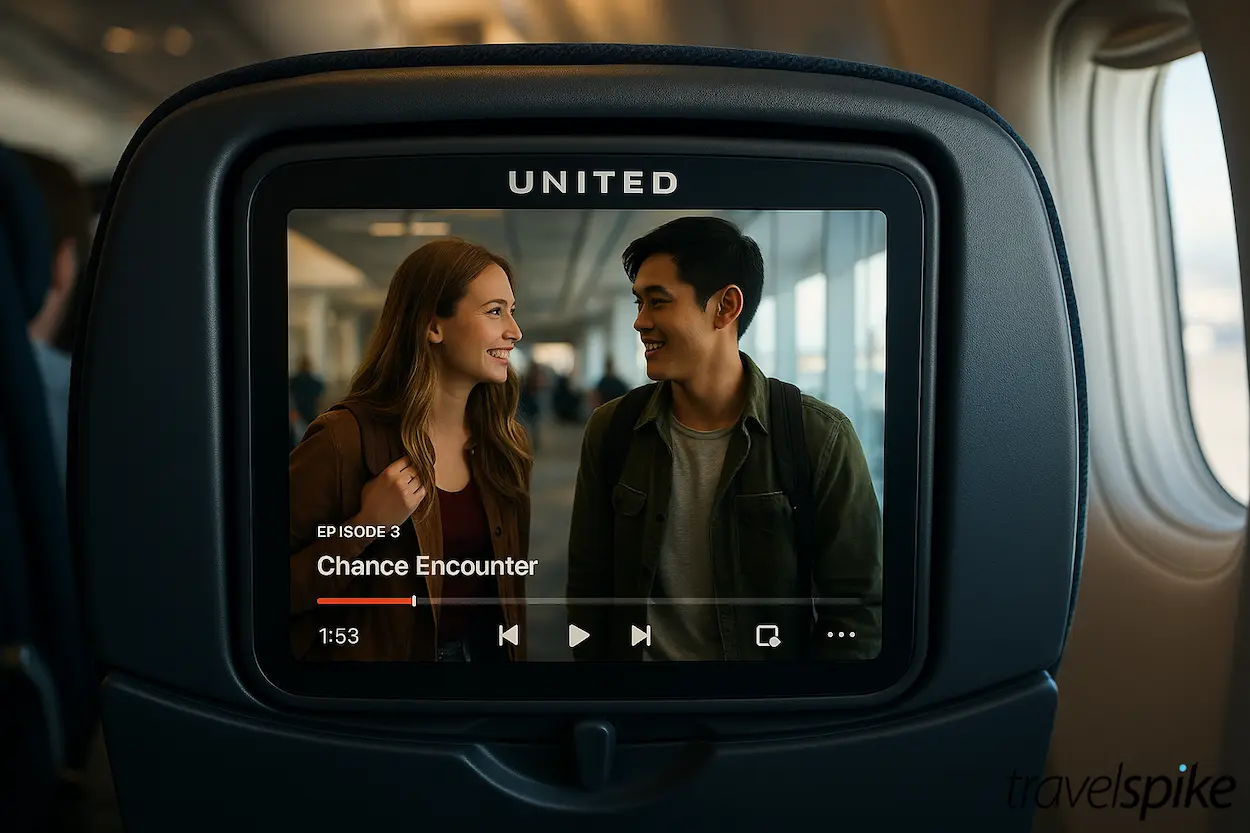
This pivot is especially relevant for travel marketers looking to build loyalty, not just bookings. It proves that even performance-driven brands are now investing in narrative-first content—not as a vanity play, but as a high-impact strategy for long-term brand value.
Other travel players have experimented with branded series in the past as well. Marriott’s content studio, for example, created short film series like Two Bellmen and documentary shorts The Power of Travel to promote destinations and the spirit of travel. What’s different now is the preferred format: the action has shifted to ultra-short episodic content on platforms like TikTok, YouTube Shorts, and dedicated apps. The opportunity is wide open for travel marketers to become producers or sponsors of the next viral microdrama. Early adopters like Macao’s tourism office are reaping the benefits, and they’re providing a playbook for others to follow.
Seizing the Trend: How Travel Brands Can Leverage Microdramas
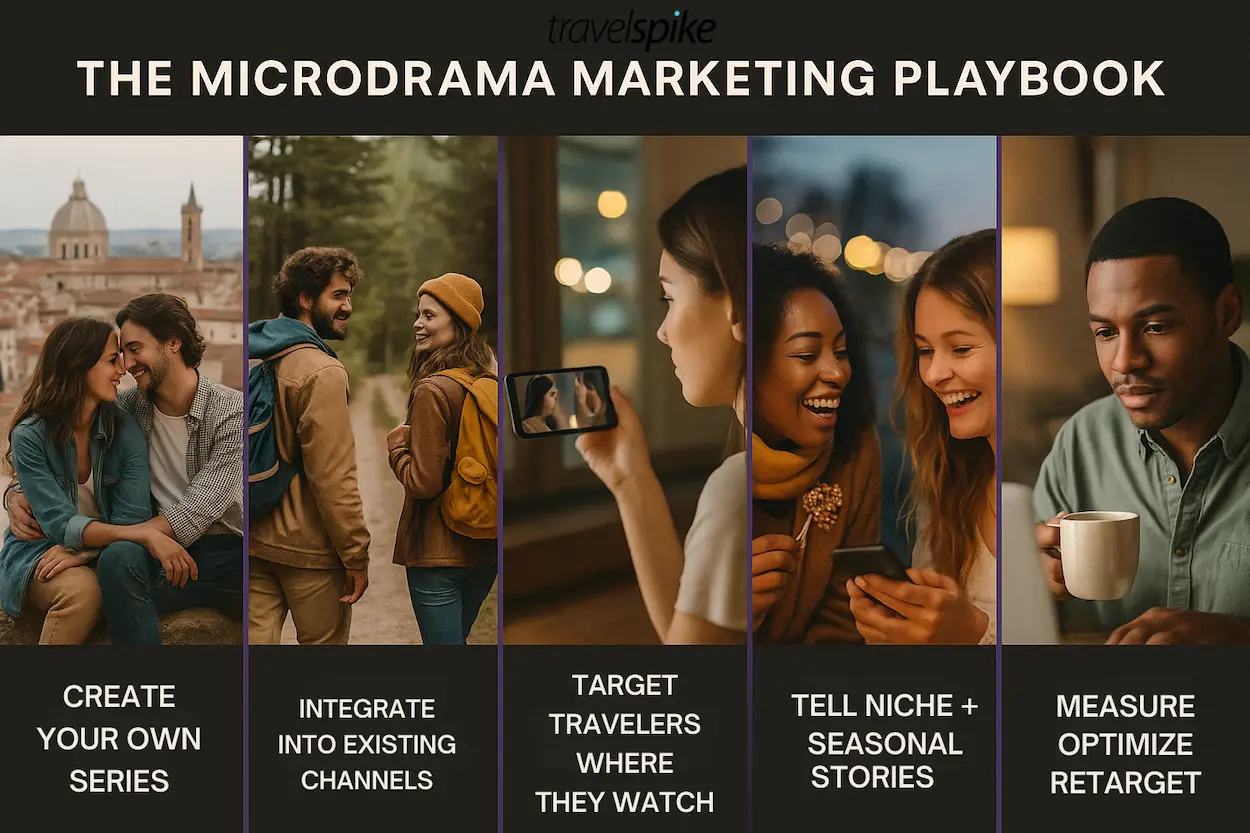
For travel marketers eager to ride this wave, the big question is how to do it effectively. Here are strategic ways to deploy microseries content for maximum impact:
- Produce Original Branded Microseries: One approach is to create your own microdrama centered on your destination or travel service. This means developing an entertaining storyline where the location or brand plays a natural role. The key is to prioritize story first, branding second. It’s crucial to make content that’s relevant and enjoyable without hard-selling – the brand’s presence should be subtle and organic. For example, a tourism board could script a romance that unfolds over a city’s famous sites, or an airline might produce a mini sit-com about serendipitous encounters on its flights. Keep episodes short (2–5 minutes) and packed with drama or humor to hold viewers’ attention.
- Sponsor or Integrate into Existing Series: If producing from scratch is daunting, partner with existing creators. Many indie content creators and studios are already making microseries, especially overseas. A travel brand could sponsor a popular microseries and have the destination woven into the plot (much like how brands do product placement in TV shows). For instance, a streaming microseries about backpackers could feature your hotel at a pivotal scene. Or a beach resort might sponsor a summer-themed mini-drama, ensuring the resort appears as the dreamy setting. This way, you tap into an established audience and fanbase, lending your brand the halo of the show’s popularity.
- Target Gen Z (and TikTok Lovers) Where They Are: Microseries today skew toward Gen Z and young millennials – nearly half of mini-drama viewers are 18–34. This demographic lives on mobile and social platforms. So plan your distribution accordingly. TikTok is a natural home for these bite-sized episodes (the Macao example proves TikTok can drive hundreds of millions of). Instagram Reels and Snapchat are also popular for serial short content. Don’t ignore YouTube Shorts either; while currently a smaller share of microdrama ad spend, YouTube’s massive user base means potential for growth. Optimize content for vertical viewing and add subtitles/captions, since much of this audience watches on mobile without sound or in quick snatches of time.
- Tap Niche Cultures & Seasonal Story Arcs: One size does not fit all in travel, and the same goes for microdramas. Consider tailoring series to niche interests or cultural moments. Is your destination big with K-drama fans or anime lovers? Lean into those styles or genres to piggyback on existing fandoms. Likewise, think seasonally: a heartwarming holiday microseries could be perfect to promote winter travel, or a spooky mini-drama around Halloween could highlight a destination’s haunted tours. The lesson: align your story with themes that your target audience already cares about, whether it’s a local festival, a global trend, or a subculture (e.g. foodie adventures, adventure travel, K-pop, etc.). This builds instant relevance and shareability.
- Distribute Across Platforms & Drive Interaction: Once your microseries is live, promote it like you would a major campaign. Cross-post teaser clips on your official social channels, encourage viewers to follow for the next episode, and even use interactive features. Some microseries platforms allow interactive story choices or polls for the audience – a great engagement tactic if available. On mainstream platforms, simple strategies like ending each episode with a question for the audience (“What do you think will happen next?”) can spur comments and discussion, further boosting visibility via the algorithm. Also, leverage any fan creations – if viewers make reaction videos or memes, amplify those to build a community around the content. Remember, the goal is to transform viewers from passive watchers to an active fan community that associates positive feelings and excitement with your travel brand.
- Measure Impact and Tie into the Funnel: As fun and creative as microseries campaigns are, travel marketers still need to show results. Establish KPIs beyond views: track engagement (comments, shares, follower growth), click-throughs to your website or landing pages (if you embed links in bios or end frames), and ultimately, any uptick in searches or bookings for your destination that correlate with the campaign. You might run surveys asking viewers if the series increased their desire to visit the location. And of course, a savvy way to capitalize on newfound interest is through retargeting. For example, if someone watched all episodes of your series about a mountain adventure, follow up with programmatic ads or emails promoting winter flight deals or hotel packages to that mountain destination. In this way, microdrama content can feed the top of your funnel with warm leads created through storytelling.
The Time is Now: Become a Travel Storyteller
The rise of microdramas is not a futuristic concept – it’s happening right now, and it’s reshaping how consumers discover and engage with content. Early adopter brands are already proving that these snackable stories can translate into serious travel inspiration and loyalty. For travel and hospitality marketers, this is a chance to lead rather than lag. Embracing microseries as part of your marketing mix positions you as an innovator, one riding the trend before it inevitably becomes mainstream. There’s a cultural shift underway: younger travelers want authenticity, entertainment, and relevance in the media they consume. By delivering marketing messages in the form of genuine entertainment, you meet them where they are headed.
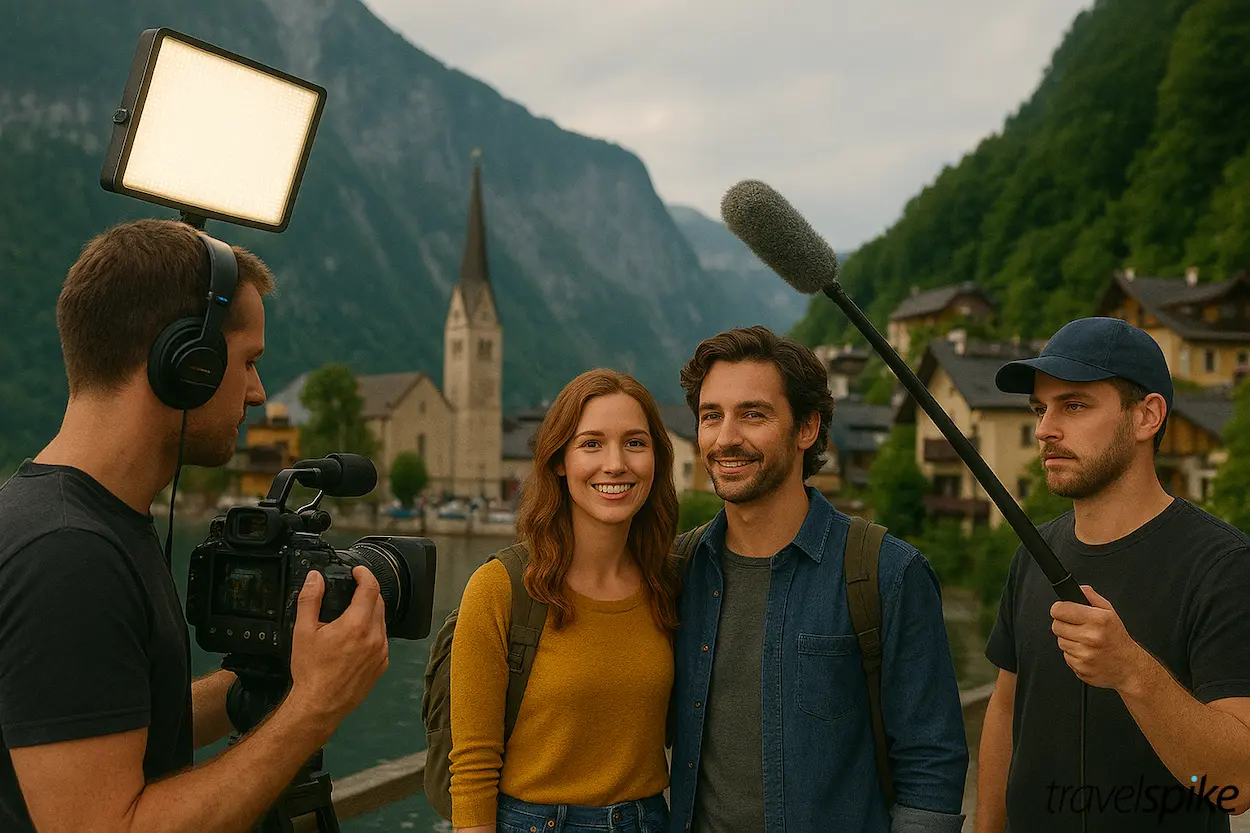
It’s also worth noting that producing short-form narrative content has a relatively low barrier to entry today. A creative team with a modest budget can film a high-quality vertical mini-series in a matter of days or weeks (far faster and cheaper than traditional TV ads or long-form videos). The payoff, however, can be outsized if your series hits a chord and goes viral. Consider this your nudge to experiment. Start with a pilot episode or a limited series; test it in a market or two. Partner with storytellers and creators who know how to engage audiences. If you’re unsure where to begin, partner with agencies or specialists who get it – for example, TravelSpike’s own creative team (a mix of Travel marketers, and Hollywood production crew) is attuned to blending storytelling with performance marketing, ensuring that campaigns resonate culturally and deliver on business goals.
The bottom line: microdramas are already working, forging emotional bonds and influencing travel decisions in ways traditional ads can’t. Forward-thinking travel brands should hop on this trend now, while it’s still on the rise and ripe for innovation. By doing so, you won’t just be selling a destination or a ticket – you’ll be telling a story that travelers want to be a part of. And there’s no stronger motivation to book a trip than feeling personally connected to the journey before it even begins.
TL;DR: Why Microdramas Matter for Travel Marketers
Microdramas (or microseries) are short-form, narrative video episodes designed for mobile consumption. They’re exploding in popularity thanks to bingeable storytelling and massive social engagement — and brands are taking notice.
For travel marketers, these mini-series offer a powerful way to:
Build emotional loyalty through serialized storytelling
Drive “set-jetting” demand by turning real destinations into story backdrops
Reach Gen Z and Millennial audiences on platforms like TikTok and Instagram
Deliver content people want to watch, not skip
Examples from United Airlines and the Macao Tourism Office show how narrative-first marketing is already inspiring real travel intent. Whether you produce your own series or sponsor existing creators, now is the time to experiment. Storytelling isn’t just content — it’s a conversion path.