
2026 Travel Marketing Trends: The Strategic Playbook for What’s Coming Next
Ready or not, 2026 is right around the corner and it promises to be a defining year for the travel industry. From mega-events set to drive tourism booms to technological leaps reshaping marketing, the coming year’s landscape will reward travel brands that anticipate trends before they hit. Smart marketers aren’t waiting for January; they’re laying the groundwork now, in late 2025, to ride the tailwinds of 2026’s biggest opportunities.
This 2026 playbook highlights the emerging travel marketing trends and strategic moves that destinations, hotels, and tour operators should be planning for today. Think of it as a forecast for the “next normal” in travel marketing, with actionable insights to ensure your brand is ahead of the curve.
1. Mega-Events and Milestones: Leverage the “Once-in-a-Generation” Travel Moments
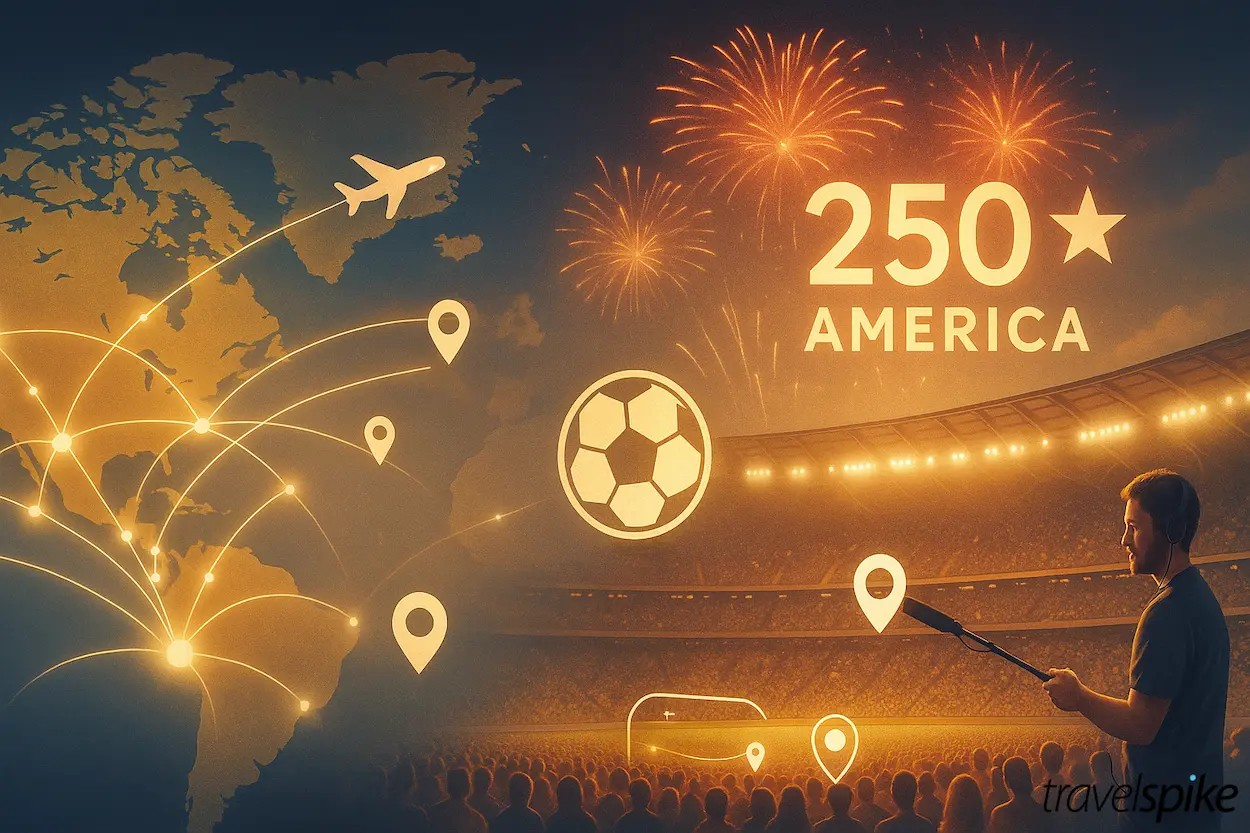
If you thought 2024’s Olympics or 2025’s Expo were big, 2026 is about to up the ante. Two massive events will dominate travel headlines:
- FIFA World Cup 2026: Hosted across North America (with many matches in the U.S.), this will draw millions of international visitors and domestic travelers crisscrossing the country.
- America 250: The United States’ 250th anniversary (July 4, 2026) comes with nationwide celebrations, historical events, and patriotic travel as Americans explore heritage sites.
These events aren’t just sports or ceremonies, they are marketing goldmines. Mega-events present HUGE opportunities, especially for destinations and brands that plan early. Host cities and neighboring regions can expect a surge in demand (hotels, flights, tours) during event windows. For example, cities hosting World Cup matches will see an influx of international fans seeking not just a game ticket but a full travel experience. Similarly, America 250 celebrations will spark national pride and motivate travelers to visit iconic American and historic destinations.
Strategic moves: Start crafting event-driven campaigns and packages. A DMO could create themed itineraries (e.g., “Heritage Trail 250” tour around historic sites for the semiquincentennial). Hotels might block out rooms for World Cup teams and fans, then market any remaining inventory with special rates or fan experiences included. Collaborate with event organizers if possible, being an official partner can amplify reach. At minimum, schedule content and promotions around key dates: match days, July 4th week, etc. The key is to ride the wave of global attention. That means, building micro-season campaigns around these events, complete with match-day content and region-specific celebrations. By tapping into event excitement, you not only attract attendees but also engage those watching from afar who may be inspired to travel later.
2. Data-First Personalization and AI: Make Marketing Smarter (and More Human)
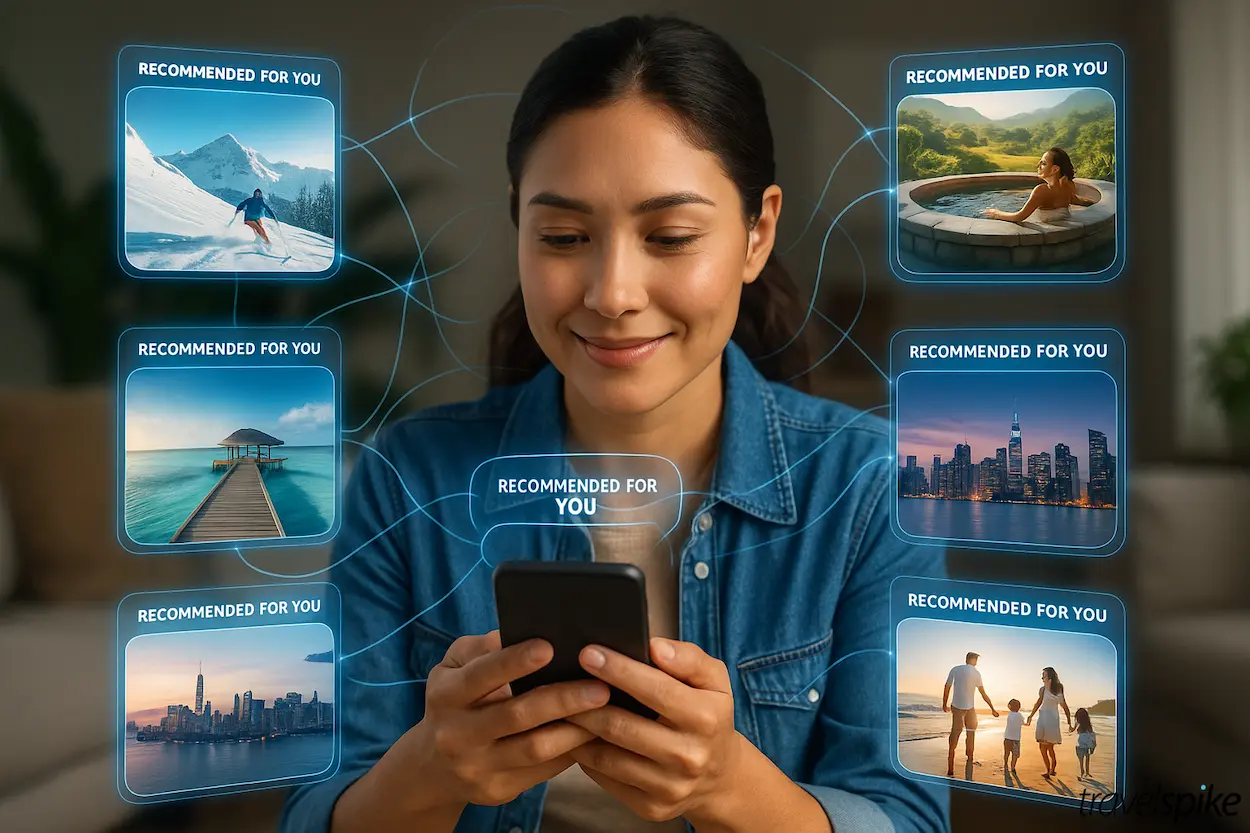
If 2025 was the year AI made a splash in marketing, 2026 will be the year it becomes indispensable. Travel marketers are moving from broad segmentation to true one-to-one personalization, powered by AI and predictive analytics. Why the urgency? Because consumers now expect hyper-relevant recommendations and because AI-driven targeting can dramatically boost ROI by hitting the right customer with the right message at the right time.
Predictive analytics will be your secret sauce for anticipating demand. We’re talking models that factor in everything from booking patterns and search trends to external signals like weather and social media buzz to forecast where interest will spike. For instance, an AI model might learn that searches for “Palm Springs getaway” jump whenever heavy snow hits the Northeast, and automatically push your sunny resort ads to Boston audiences at just that moment. In 2026, more brands will deploy such predictive triggers to stay a step ahead of traveler intent.
Personalization extends on-site and in-trip too. AI chatbots and recommendation engines on your website can dynamically present the most fitting offers to each visitor (families see family-friendly deals, adventure seekers see adrenaline packages, etc.). The tech is mature: platforms like Travelogic™ are already using AI fused with decades of travel data to micro-target audiences and even “pre-optimize” campaigns before they launch. By 2026, this won’t be cutting-edge it’ll be baseline. Brands not leveraging AI for targeting and personalization will simply be outpaced by those who are.
Strategic moves: Audit your data capabilities now. Do you have the tools to collect, analyze, and act on traveler data in real time? If not, consider investing in a travel-specific data platform or partnering with an adtech firm like TravelSpike that can provide AI-driven audience targeting. Also, focus on content personalization: segment your email lists finely and use dynamic content so that a single campaign can have dozens of variations tailored to different personas. For example, a winter newsletter might show a ski resort to one subscriber and a Caribbean cruise to another, based on their past behavior. Marketers who master this “segment of one” approach will see engagement and conversion rates climb in 2026.
3. Experience is Everything: Sell Trips by Selling Why, Not What
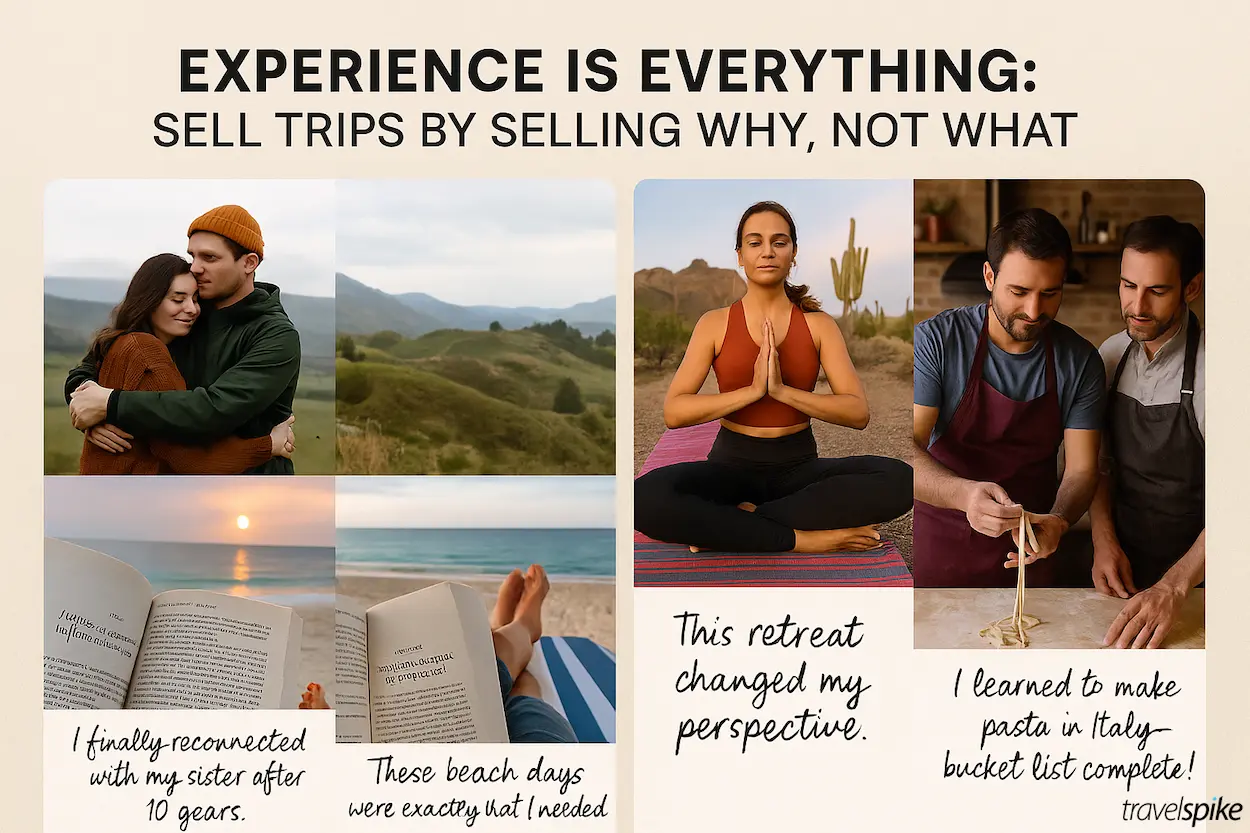
The pandemic years shifted travelers’ mindsets, they now seek more meaningful, intentional experiences. In 2026, this trend deepens, think a “Whycation” people traveling with a purpose or personal goal in mind. Whether it’s to celebrate a milestone, learn a new skill, or reconnect with family, the why drives the where.
This means travel marketing must elevate from promoting commodities (a hotel room, a flight seat) to promoting outcomes and experiences (personal growth, bonding moments, cultural immersion). Storytelling and content marketing take center stage. We see this already in emerging trends like Set-Jetting (travel inspired by film/TV) and Readaways (travel for relaxation and reading). 91% of travelers are seeking getaways focused on quality time and relaxation, per that report. Another example: “Farm Charm” stays, where tourists choose rural farm experiences for authenticity, are expected to rise. All these point to travelers chasing a feeling or theme.
Strategic moves: Reframe your marketing around the experience. If you’re a destination marketer, don’t just list attractions, tell stories of travelers who found what they were looking for (peace, thrill, connection) in your locale. User-generated content and micro-influencers can help here; their authentic stories resonate more than generic ads. For instance, run a campaign asking past visitors “What did you discover in [Your Destination]?” and promote those narratives. Also, consider theming your offerings to tap into passions: literature-themed vacation packages (to catch the Readaways wave), wellness retreats for the self-care trend, sports clinics aligning with the World Cup hype (ties into the Fan Voyage trend of learning local sports. This experience-first marketing builds an emotional connection with travelers and differentiates you in a crowded market.
One more aspect: sustainability and community as part of the experience. Travelers, especially younger ones, want to see their trips benefit local communities and the environment. Make sustainability a storytelling anchor rather than a footnote. For 2026, consider highlighting eco-certifications, carbon-neutral options, or community tourism projects in your marketing. Not only does this meet a growing expectation, but it also often provides unique experiences (e.g., helping with a conservation project, staying at a eco-lodge) that can be deeply fulfilling – the kind of “why” that motivates travel.
4. Tech-Savvy Travel: Navigating New Channels (Voice, Visual, and the post-Cookie World)
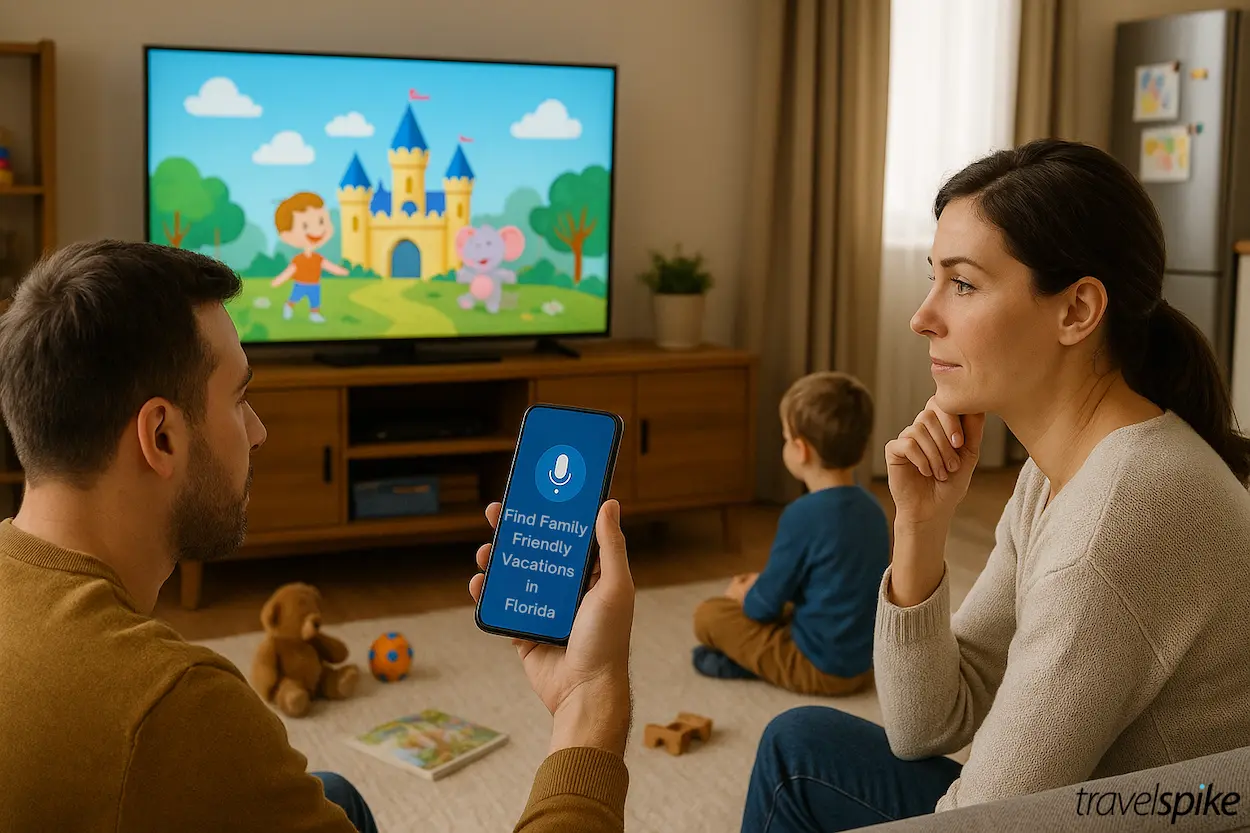
The way travelers discover and book is evolving with technology. By 2026, voice search, visual search, and AI-generated content will play much bigger roles in travel planning. We already see a significant share of travel queries coming via voice (“Hey Google, find me a boutique hotel in Charleston under $200”. Visual search is on the rise too, apps where you snap a landmark and get info or deals instantly. And of course, Google’s AI advancements mean travelers might get synthesized answers (“AI Overviews”) to travel questions rather than just links.
For marketers, these shifts require adaptation:
- Voice search optimization: Ensure your SEO and content strategy account for natural language queries. Frequently Asked Questions content and conversational tone can help. If someone asks a voice assistant “What’s a kid-friendly resort in Orlando for under $300 a night?”, will your property surface? Think about long-tail queries and have content/snippets that answer them directly.
- Visual platforms: Leverage platforms where travelers use images for inspiration (Pinterest, Instagram search) and experiment with visual recognition tech. For example, partner with apps that let users scan a travel brochure or an image and instantly book what they see.
- AI in search: With Google’s Search Generative Experience (SGE) and others, some traditional SEO tactics may decline in importance, while providing structured data and directly answerable content will rise. Focus on concise, answer-focused snippets in your site content so that AI chatbots and overview generators pick up your information. Additionally, make sure your business listings (Google, Bing, etc.) are complete and up-to-date, since AI often pulls from those sources.
On the advertising front, privacy changes (cookie deprecation, iOS tracking limits) mean first-party data and contextual targeting will be kings. By 2026, most travel marketers will rely on their own data (loyalty programs, website visitors) to target ads, supplemented by partners who have travel-intent audiences. Aligning with contextual advertising (ads on relevant travel articles, etc.) can sometimes outperform behavior-based ads in this new environment. The bottom line: get your data house in order. Grow your email lists, encourage app usage (which yields rich first-party data), and invest in a customer data platform (CDP) if possible.
5. Collaboration and Community: The New Marketing Force-Multipliers
The travel industry has learned that no one succeeds alone. In 2026, expect to see even more collaboration, between destinations, between brands, and with communities, to create win-win scenarios.
On the destination front, regional alliances will market jointly. We’re already seeing regions band together to promote themed trails (wine trails, civil rights trails) spanning multiple states or countries. If international travel picks up (and it’s likely as some economies rebound), being part of a multi-destination itinerary can boost your share. Think beyond your silo: a city tourism office might partner with rural attractions nearby to offer city-and-country combo passes. Such collaborations pool marketing budgets and offer travelers richer experiences.
Brand collaborations are hot too: hotels partnering with entertainers or wellness brands to enhance experiences, airlines partnering with tourism boards for co-branded promotions, etc. The goal is, tapping into another brand’s audience can amplify reach significantly. For 2026, brainstorm who your natural partners are, maybe a popular tour company, a national park, or even a tech company (imagine an AR app partnership that guides tourists in your city). Collaborative marketing not only stretches budgets but also signals to consumers a cohesive, enriched experience.
Finally, lean into community-powered content. User-generated content (UGC) and nano-influencers often outperform big productions in engagement. In practice, run campaigns that encourage locals or past visitors to share their stories (a contest or simple hashtag campaign). These real voices add credibility and relatability to your brand. Plus, they provide a steady stream of fresh content to repurpose across social media and blogs.
By 2026, trust and authenticity will be paramount, travelers have wisened to overly polished marketing. Embracing community content and partnerships signals that your brand is authentic and valued by real people. That trust translates into bookings when travelers choose who to go with.
Ready, Set, 2026: Make This Your Breakout Year
The stage is set for 2026 to be a milestone year in travel, possibly the biggest since the post-pandemic rebound. The brands that thrive will be those that read the playbook and execute with foresight and agility. We’ve forecasted the dominant trends: huge events driving spikes in travel, AI and data elevating marketing precision, experiential travel redefining offerings, new tech reshaping search and advertising, and collaborative approaches expanding reach. Now it’s on you and your team to transform these insights into strategy.
The good news? You don’t have to do it alone. We believe 2026 will be a banner year for those who innovate, and we’re excited to help our clients lead the way.
The future favors the bold. So start now: assemble your 2026 task force, revisit your marketing plans with these trends in mind, and identify 2-3 pilot initiatives (be it an AI personalization rollout or a World Cup campaign) to kick off in Q1.
By the time the ball drops on New Year’s Eve, you’ll be not just celebrating 2025’s end, but celebrating the proactive steps you took to own 2026. Here’s to a year of opportunity, let’s seize it together, and let’s make 2026 your travel brand’s best year yet.