
2026 Travel Marketing Opportunity: How Cultural Events Will Drive Bookings and Brand Visibility
In 2026, the world’s itinerary is already written and not just in guidebooks, but in the calendar of can’t-miss events slated for the year. From global sports spectacles to once in a generation national celebrations, these events will captivate audiences and inspire millions to travel. For travel marketers, they’re not just events; they are campaigns in themselves.
Why create buzz from scratch when the cultural calendar is handing you ready-made waves to ride? In this deep dive, we’ll explore why 2026’s big events – like the FIFA World Cup and America’s 250th birthday (America250), are golden opportunities for DMOs, hotels, tour operators, airlines and more. More importantly, we’ll discuss how to harness these moments with strategic marketing that aligns with the excitement and turns spectators into visitors.
FIFA World Cup 2026: A Global Travel Frenzy Kicking Off
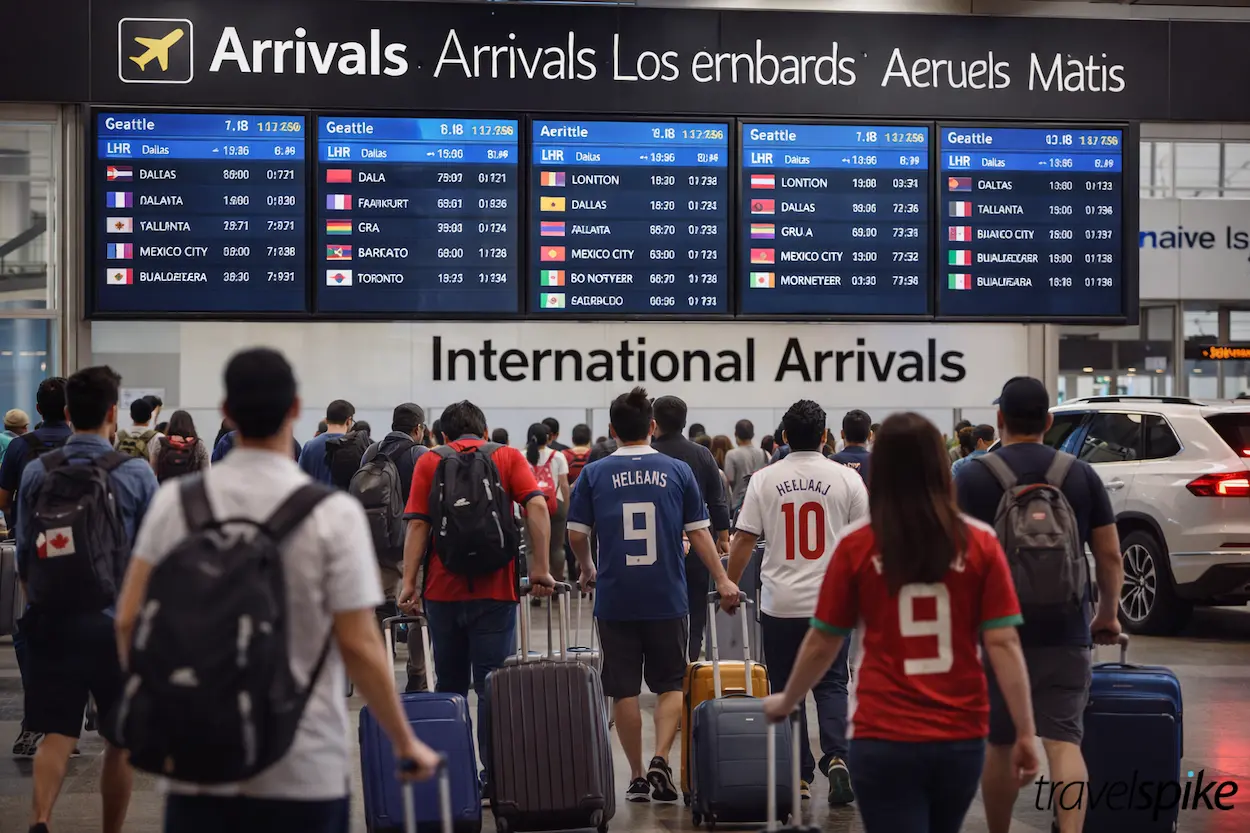
Every four years, the World Cup creates a surge of international movement, but 2026 is special: for the first time, it’s being hosted across three countries (U.S., Canada, Mexico) with an expanded format of 48 teams. The sheer scale is staggering, and FIFA expects 6.5 million total attendees across 104 matches in North America. For perspective, that’s millions of fans crisscrossing the continent over five weeks, not to mention the exponential reach of those following the tournament from afar. Host cities are gearing up for a massive influx; Dallas, for example, projects 3.8 million visitors and up to $2.1 billion in economic impact in its region alone from the World Cup. This isn’t just sports, it’s sports tourism at a colossal scale.
Why it’s a big deal for travel marketers: Sports tourism already accounts for roughly 10% of global tourism spending and could reach $1.3 trillion by 2032. The World Cup is the crown jewel of that segment. Even if you’re not a host city, your destination can feel ripple effects. International fans might tack on side trips; regional hubs can attract overflow visitors or teams for training camps. Airlines will see spikes on certain routes; hotels in surrounding areas can capture those who choose to stay outside the host metros. The key is to position your marketing to catch this wave.
How to ride the World Cup wave (even if you’re not an official sponsor):
- Themed Itineraries & Packages: Create soccer-themed travel packages or itineraries targeting fans. For host cities, this is obvious – “Match Day special: transit + pub crawl for fans” or hotel packages that include local game-day experiences. If you’re a non-host but nearby, offer “escape the crowd” packages (e.g., stay in serene Napa Valley in between catching games in SF) or “satellite fan fest” events (big screens, local food, maybe a tie-in with the teams playing if your area has a cultural link).
- Content Sprints Around Match Days: Adjust your content calendar to the tournament schedule (June 11 – July 19, 2026). On big match days, have something on social media or your blog that ties in. “Where to watch the World Cup in [Your Destination]” can capture local and visiting audiences. If a match is in your city, highlight local attractions for visiting fans during downtime. If not, perhaps spotlight any connection (“5 Famous Soccer Sites to Visit in Our City” – maybe a stretch, but creative content wins attention).
- Leverage National Pride & International Reach: World Cup sparks patriotism and global curiosity. A host country like the U.S. will have huge domestic interest and a chance for U.S. destinations not hosting games to still market themselves in the spirit of “celebration of soccer.” Internationally, fans from dozens of countries will travel to North America; DMOs can target those markets in advance. For instance, if England is drawn to play in L.A., a smart DMO elsewhere might run ads in the UK saying “After the match in LA, relax on the beaches of [Your Destination].” The Spectrum News report noted fans from 212 countries had already bought tickets by late 2025, that’s a global audience to inspire.
- Influencer and Media Collaboration: During the World Cup, travel media will be hungry for angles beyond the matches, like showcasing what visitors can do between games. Pitch your destination for travel journalists’ “Beyond the World Cup” features. Perhaps invite influencers (maybe even former athletes or sports personalities) to experience your locale during the tournament and share how awesome it is to their followers back home. When the world’s eyes are on an event, put your best face forward for the camera.
In summary, the World Cup is as much a marketing event as a sporting event. Align your campaigns with it, and you’re aligning with guaranteed global interest. As our playbook suggests, even without official sponsorship, creativity and timing let you draft off the World Cup momentum, scoring marketing goals of your own.
America 250 (Semi-quincentennial): Selling History in the Making
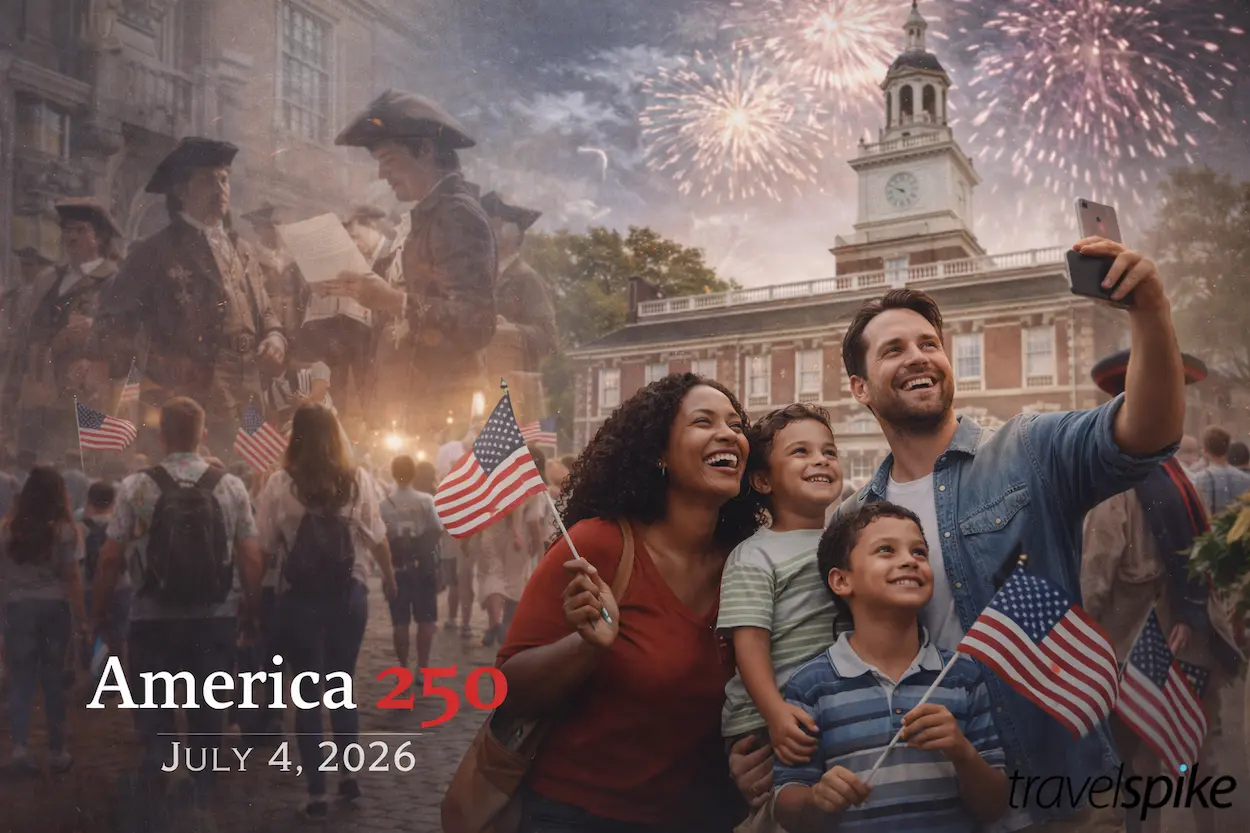
On July 4, 2026, the United States will mark 250 years since the signing of the Declaration of Independence. “America250” isn’t a one-day celebration, it’s a multi-year build-up and a nationwide commemoration. For travel and tourism, it represents a resurgence of interest in all things American history and culture. Travelers (both domestic and international) will be looking for meaningful ways to connect with America’s story. And it’s not just about Philadelphia and Boston. This milestone shines a spotlight on places big and small, travelers are interested in local stories and authentic experiences, meaning even smaller towns with a unique historical angle can attract visitors during America250 if they play their cards right.
Opportunities around America250:
- Historic Itinerary Trails: Curate special America250-themed itineraries that string together historical sites. Think beyond the obvious Liberty Bells and National Malls. For example, an itinerary could focus on “Unsung Heroes of American History” visiting sites related to women’s suffrage, Native American history, or the Civil Rights movement depending on your region. The idea is to offer story-first itineraries, travelers want narrative and depth, not just monuments. Promote these as limited-time experiences available in 2026. Consider creating a passport or digital pass that visitors can use to check in at each spot and earn a commemorative reward. This gamifies the experience and encourages them to hit all the stops (and spend more locally).
- Community Events and Festivals: Encourage or organize events that tie into the 250th celebration. This could be as grand as a multi-day festival (concerts, reenactments, fireworks) or as simple as a special museum exhibit or local parade. DMOs should partner with civic groups now to get these on the calendar. Remember, travelers will gravitate to places that show pride and create an experience around the celebration. If your town has a historic downtown, maybe a July 4th 2026 vintage street fair? The key is authenticity, what’s unique about your locale’s history that you can showcase with pride? Those local touches create memorable moments visitors will travel for.
- Marketing the Meaning: America250 is emotionally charged, it’s about patriotism, reflection, and celebration. Marketing around it should tap into that emotion. International travelers might be enticed by “experience the America of 1776 and 2026 in one trip,” while domestic travelers might respond to “celebrate our 250th where history was made (or is being made).” Use the fact that this is once-in-a-generation. It’s a great hook for PR too: pitch travel publications on stories like “Top 10 places to celebrate America’s 250th” or “How [Your Destination] Honors 250 Years of USA and why you should visit.” Given the scale, expect major media to run such features, make sure you’re in them. Provide angles: maybe your area is doing something unusual (e.g., a high-tech fireworks drone show or a massive community art project) that will catch journalists’ attention.
- Extend Beyond July: While July 4, 2026, is focal, build momentum in the lead-up and after. The Route 66 Centennial in 2026 (100 years of the famous highway) is an example of a related event that can amplify the nostalgia and travel drive; if you’re along Route 66 or can theme something around the great American road trip, do it. Likewise, plan to leverage Memorial Day and Thanksgiving 2026 with historical angles as they bookend the official celebration. Keep the spirit alive through themed content all year (“250 reasons to love [Destination]” blog series, anyone?).
Why it’s worth the effort: Done right, cultural heritage tourism can deliver big economic impacts. When travelers seek out historical and cultural experiences, they tend to spend more time and money (think multi-attraction passes, guided tours, local eateries, B&Bs in historic buildings). And importantly, America250 interest lifts all boats since it’s nationwide. This is a chance for less obvious destinations to claim their piece of the spotlight. America250 is a chance to welcome new visitors and highlight your mark in America. In other words, assert your place in the American story and you’ll attract those eager to explore it.
More Can’t-Miss 2026 Moments
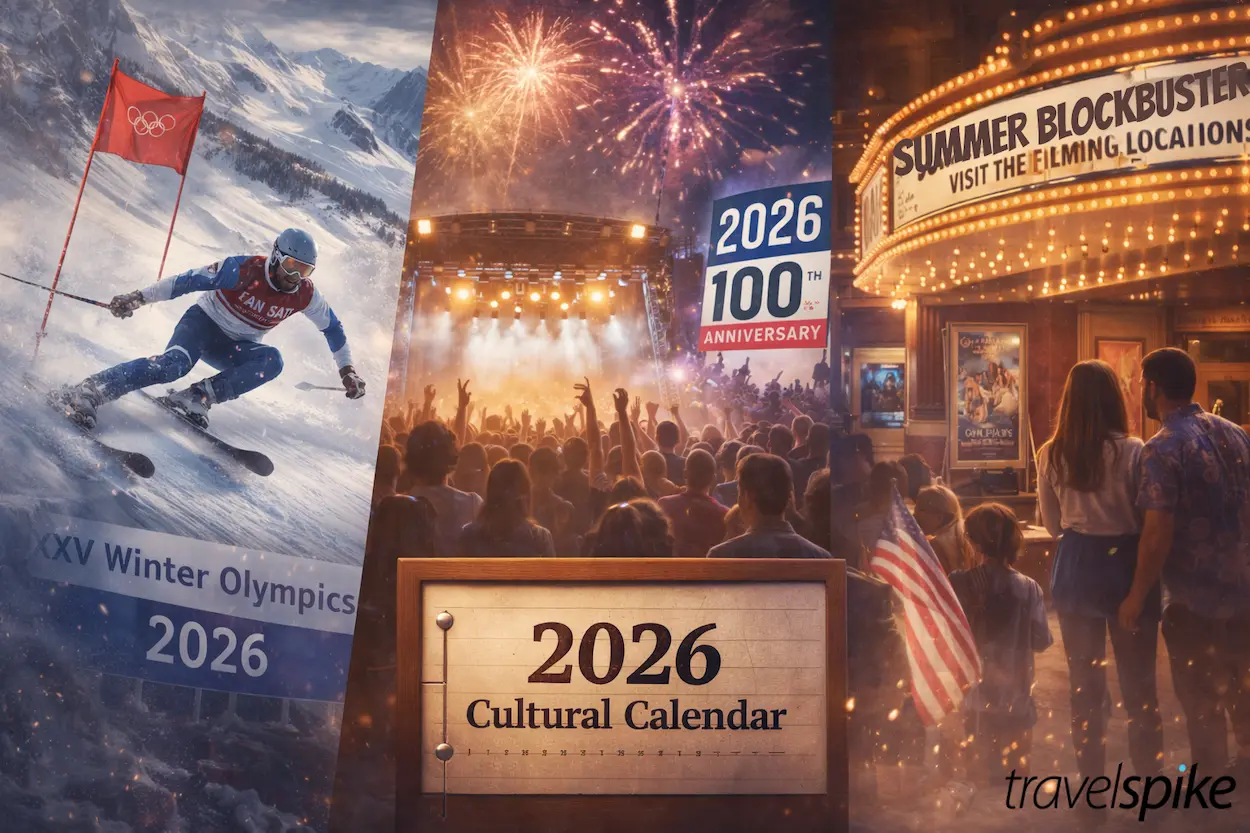
While the World Cup and America250 loom largest, they’re not the only game in town. The cultural calendar of 2026 has other notable events, and aligning with them can yield niche but valuable wins:
- Winter Olympics (Milan Cortina 2026): Early 2026 will see the Winter Olympics in Italy. If you’re a ski resort or winter adventure destination elsewhere, piggyback on the Olympic enthusiasm in February. For instance, a Colorado ski town could run “Olympic Ski Challenge” events for visitors to race like Olympians, or simply market “Train like Team USA on our slopes” during that period to catch the Olympic buzz.
- Anniversaries and Milestones: Is 2026 a big anniversary for something in your region? 100 years of a national park? 50th annual music festival? 200th birthday of a local hero? These can be leveraged in your marketing as a special reason to visit this year specifically. People love “limited-time” significance.
- Cultural/Entertainment Events: Major concerts, world tours, or even film releases set in your locale can spike interest. For example, if a highly anticipated movie in summer 2026 is filmed in your destination, ride that wave with a “visit the filming locations” guide (the trend known as set-jetting has been a real driver for places featured in popular shows/films). Keep a finger on the pulse of pop culture that ties to travel.
At the heart of this is a strategy: treat the cultural calendar as an extension of your marketing calendar. Instead of only pushing out self-generated promotions, slot in these external tent-poles and build marketing campaigns around them. This approach can make your marketing feel timely, urgent, and relevant on a grand scale.
Making It Happen: Strategic Tips for Event-Centric Campaigns
So, how do you execute effectively on these opportunities? A few parting pieces of advice:
- Collaborate Widely: Big events often involve multiple stakeholders: governments, event organizers, sponsors. Wherever possible, coordinate with them. If you’re a host city DMO for World Cup, you likely have committees to plug into; if not a host, reach out to national tourism boards or alliances. Collaboration can extend your reach and lend credibility. Also partner with local businesses to create packages around events (hotels + attractions bundling, etc.).
- Microsites and Hashtags: Consider creating dedicated landing pages or microsites for the event in your marketing context (“YourCity2026.com” for instance) where you concentrate all relevant info, itineraries, and offers. Use event-related hashtags (many events will have official hashtags – use them so event followers see your content). Develop your own hashtag IF it makes sense like #[City]WorldCup or #[State]250Celebration to build community.
- Data and Timing: Use data to inform timing of promotions. For instance, searches for “World Cup travel” might spike when ticket lotteries or schedules are announced (like the ticket draw 2 weeks ago). Likewise, interest in patriotic travel might surge around Memorial Day leading into July 4. Plan your campaign flights to coincide with peaks in interest and have retargeting follow-ups to capture those who engage.
- Storytelling Approach: Whether it’s a sports fan or a history buff, think of the traveler’s emotional journey. Acknowledge the excitement: “We know you’re coming for the World Cup – we’ve got your back on making it unforgettable.” Or “As America turns 250, be part of the celebration where it all began (or where something amazing is happening today).” Storytelling marketing, as always, trumps dry promotion. For example, highlight a chef preparing special menus for World Cup fans, or a park ranger at a historic site prepping for the 250th crowd. These human-interest angles make your destination’s connection to the event vivid.
Lastly, remember that every big event has a lifecycle anticipation builds, culminates at the event, and then there’s a trailing off or legacy period. Don’t drop the ball once the event passes. Collect content (user photos, testimonials) during the event that you can use afterwards to continue promoting (“look at the great time people had here!”). And measure everything the surge in visitation, the campaigns ran, because you’ll want to report that success (and learn from it) for the next big opportunity.
A World of Opportunity in 2026
In 2026, the marketing opportunities are as epic as the events themselves. By aligning your strategy to the cultural calendar, you’re tapping into ready-made demand and excitement that no fabricated campaign could match. It’s about being in the right place at the right time, and inviting travelers to join you there.
Whether you’re looking to capitalize on soccer fever, patriotic pride, or any other marquee moment, planning and creativity are key. We specialize in connecting travel brands with travelers at just those pivotal moments. Through savvy media targeting (powered by tools like Travelogic™ for identifying interested audiences) and creative campaign execution, we help you turn global excitement into bookings and brand boost.
2026’s big events will come and go, but the tourism impact for those who seize the moment can last for years. So get your campaign calendar aligned with the world’s calendar. The events of 2026 are set to be travel’s biggest spotlight, make sure your destination or brand is center stage when the world is watching. Let’s make the cultural calendar your ultimate campaign and greet the world in 2026 with open arms and unforgettable experiences.