
2025 Holiday Travel Marketing: Why Early Planning Drives Bigger ROI
Holiday travel season is around the corner, and early planning is more crucial than ever. Recent surveys show that nearly half of Americans plan to travel for the holidays this year down a little from last year. 46% of U.S. adults intend to do an overnight family trip. Thanksgiving consistently ranks among the busiest travel periods of the year, with tens of millions of Americans hitting the road or taking to the skies. The takeaway for travel marketers is clear: engage holiday travelers early, before itineraries and budgets firm up.
Launch Campaigns Ahead of the Rush
Many travelers begin booking holiday trips in September and October, with the savviest planners starting even earlier. Airlines’ best deals for mid-December flights tend to appear around 10 weeks before departure, roughly early October. If marketers wait until November to promote holiday offers, they risk missing a large chunk of early bookers. Launching campaigns by late summer or early fall is an innovative strategy now paying off. According to industry experts, travel advertisers should kick off holiday campaigns in August or early September to capture those early planners. Focus on high-reach awareness channels – think connected TV (CTV) streaming ads, digital audio, and display – to get on travelers’ radar before they click “book.” It also helps to highlight flexibility, convenience, and value in messaging (e.g. free cancellations or price guarantees) to reassure early shoppers who are planning ahead. By showing up early in the planning journey, brands can influence decisions before travelers have locked in their trips.
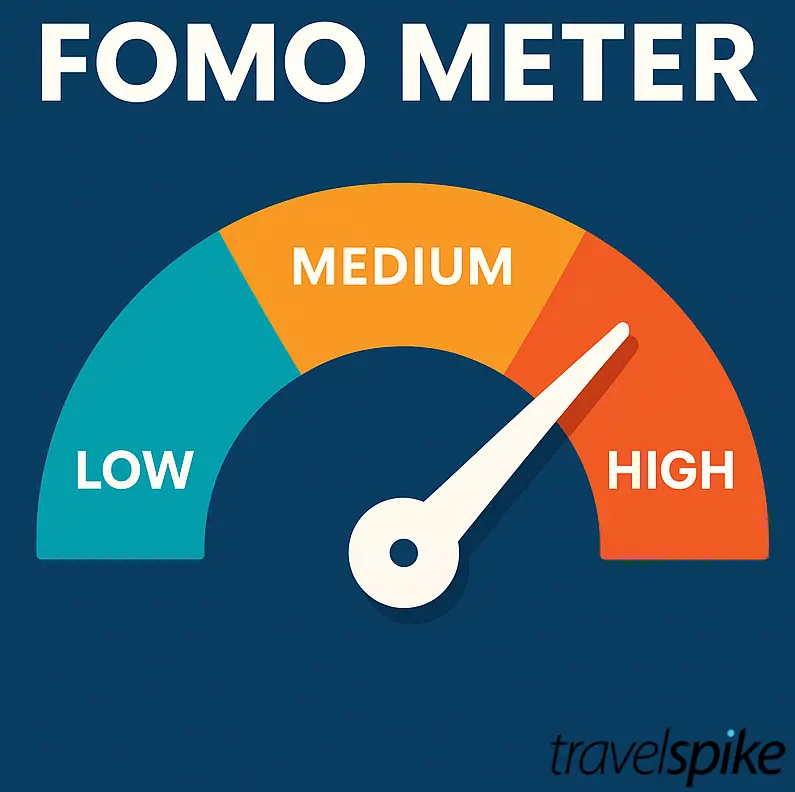
Tip: Promote urgency and perks for early birds. Remind customers that popular flights and hotels fill up fast – just like prime advertising inventory does. Offering limited-time discounts for early bookings or loyalty points can spur action. Travelers know nonstop flights and prime accommodations sell out quickly, so use that FOMO in your ads. For example, a banner might say “Book your holiday travel by Oct 31 for 25% off – secure your spot before it’s gone!” Such tactics leverage the early planning mindset.
Leverage Data and AI for Targeting
Another cutting-edge strategy is using data and AI to pinpoint who is likely to book holiday travel soon. Past booking histories, website searches, and even social media cues can identify “hot leads” – consumers actively researching holiday trips. Machine learning algorithms can comb through vast traveler data to predict who’s serious about an upcoming trip versus who’s just daydreaming. By deploying AI-driven targeting, marketers can serve personalized holiday offers to those high-intent consumers at just the right moment.
For example, TravelSpike’s proprietary AI platform, Travelogic™, pre-optimizes campaigns by analyzing traveler behavior patterns. It can target “travel intenders” – people with clear intent to book – with tailored messages, ensuring the right offer hits the right person at the right time. This kind of precision means your ski resort ad appears to the family that has been Googling winter break getaways, or your Caribbean flight deal pops up for a couple who just searched “warm Christmas vacation.” AI-powered travel marketing concentrates budget on the most likely converters, boosting ROI.
Crucially, personalization builds engagement. Use dynamic content in emails or ads that references the user’s home city (“Escape [Chicago] winter this Christmas!”) or shows deals from their preferred airport. Historically about one-third of holiday travelers say they’ll stick to their travel plans regardless of expense, but many others are cost-conscious due to inflation. Tailoring promotions (family bundles, off-peak dates, loyalty discounts) to the needs of different segments can sway those on the fence. As a bonus, these data-driven insights help you time your messaging – for instance, targeting work commuters with mobile ads in the morning and then retargeting them on CTV in the evening. In short, early holiday travel campaigns perform best when they start early and stay smart, using innovative tools to find and convert the keenest travelers first.